
Best Online Robotics Course (2026): From Beginner to Autonomous Systems Expert
At UDHY, we make learning AI and Robotics simple, practical, and fun. Our courses are designed for beginners, students, and professionals who want to build real robots, understand AI, and apply robotics in the real world.
Learn Robotics the smart way — with hands-on projects, real examples, and expert guidance to build skills and advance your career.
Designed by Dr. Dilip Kumar Limbu — Former Principal Research Scientist, A*STAR · Co-Founder, Moovita, Singapore’s first autonomous vehicle company · 25+ years building real-world autonomous systems. UDHY.com.
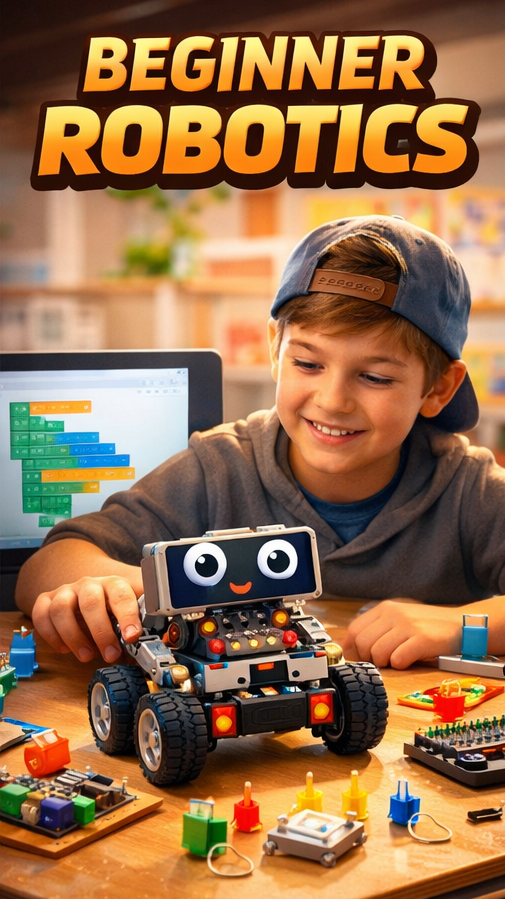
Module 1: Introduction to Robotics
- What is robotics
- Types of robots (industrial, mobile, humanoid, AV)
- Real-world applications
Module 2: Electronics & Hardware Basics
- Sensors (camera, LiDAR, IMU, ultrasonic)
- Actuators (motors, servos)
- Microcontrollers (Arduino, Raspberry Pi)
Module 3: Programming for Robotics
- Python basics for robotics
C++ introduction - Logic building for robot behavior
🎯 Outcome:
a) Understand how robots are built
b) Build simple hardware-based robots
c) Write basic control programs
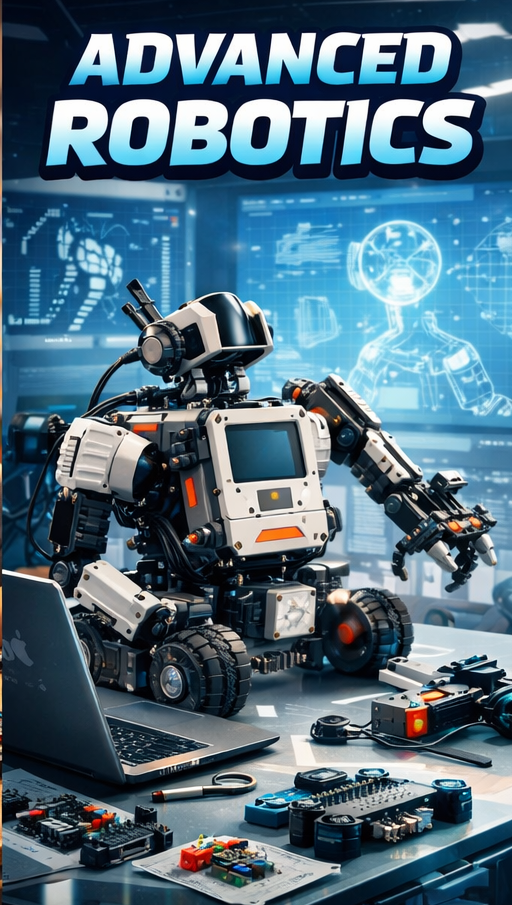
Module 4: Practical Robotics Math
- Linear algebra for robotics
- Kinematics (forward & inverse)
- Motion calculations
Module 5: Robot Perception & Computer Vision
- Image Processing & Traditional Vision
- Object Detection & Recognition
- 3D Vision & Depth Sensing
- Semantic Segmentation
Module 6: Mastering ROS 2 (ROS)
- ROS 2 architecture
- Key Components
- How to Get Started
🎯 Advanced Outcome:
a) Build functional robotic systems
b) Work with ROS (industry standard)
c) Understand perception & motion systems
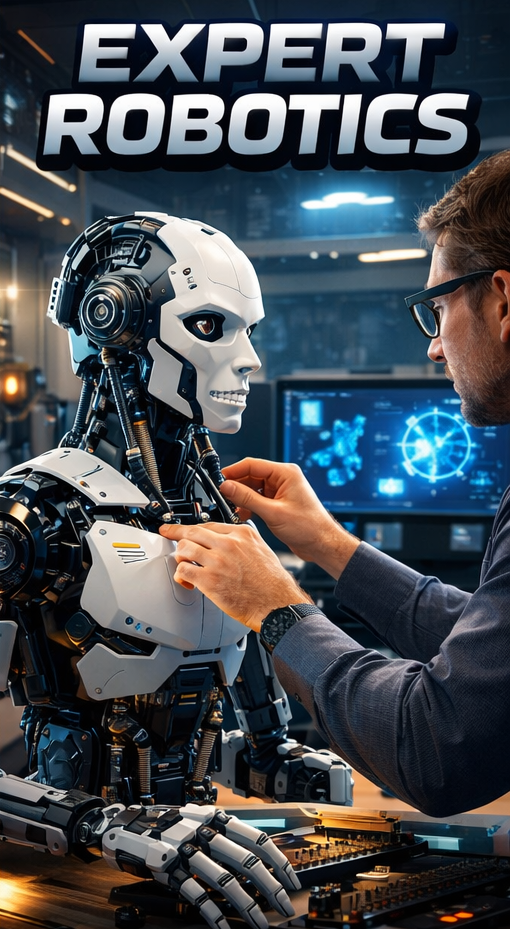
Module 7: The “Physical AI” Revolution
- Vision-Language-Action (VLA) Models
- Zero-Shot Generalization
- Agentic Planning
Module 8: Production-Grade ROS 2 Orchestration
- DDS Middleware Optimization
- Lifecycle Managed Nodes
- SROS2 & Cybersecurity
Module 9 : Control Theory & Whole-Body Motion
- Model Predictive Control (MPC)
- Compliance & Force Control
- The “Sim-to-Real” Pipeline
Module 10 : 3D Spatial Intelligence & Semantic SLAM
- Semantic SLAM: Giving Meaning to the Map
- Visual-Inertial Odometry (VIO)
- Semantic SLAM & Nav2
- Neural Radiance Fields (NeRFs)
🎯 Expert Outcome:
a) Build autonomous robots & systems
b) Understand self-driving technology
c) Job-ready robotics portfolio
d) Startup-ready technical capability
